
AI Has Changed Job Hunting. Here's What Still Matters Most
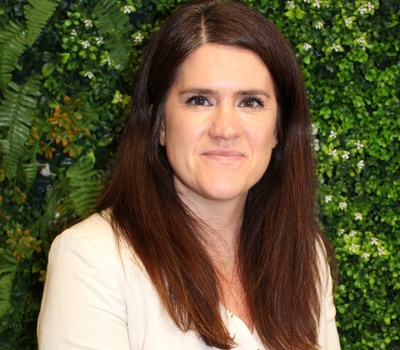
By Caitlin De Alwis, Sales Analyst, Accountancy & Finance, Stanton House
AI is changing how people approach their job search. From improving CVs and tailoring applications to researching employers and preparing for interviews, tools such as ChatGPT and Microsoft Copilot have become part of the process for many candidates.
During my time at Stanton House, I've noticed more finance professionals openly discussing how they're using these tools. And it's easy to understand why. AI can save time, help candidates communicate their experience more effectively and make interview preparation less daunting.
But I'm also seeing a challenge emerge. As applications become more polished, it can be harder for employers to understand the individual behind them. For candidates, the opportunity is to use AI to present their experience more effectively without losing what makes them different.
Where AI Can Genuinely Improve Your Job Search
One of the most useful applications of AI is CV development. Finance professionals often have years of valuable experience but struggle to communicate their achievements clearly, particularly when trying to condense a varied career into a few pages.
For example, a Financial Controller might describe their experience primarily through day-to-day responsibilities. AI can help them think about how to communicate the wider business impact of that work, whether that's improving reporting, reducing costs, strengthening controls or influencing commercial decisions.
It can also help candidates identify transferable skills when considering a move into a different industry or business environment, such as a private equity-backed organisation or a scale-up.
Interview preparation is another area where AI can be particularly valuable. Candidates can use it to research a business, explore likely interview questions, practise explaining their achievements and identify areas where their answers could be stronger.
The important thing is to treat the output as a starting point. AI might suggest a clearer way to explain an achievement, but only you can provide the context, decisions and results that make it meaningful.
When AI Starts Working Against You
The biggest risk I see is candidates relying so heavily on AI that their applications no longer sound like them.
Recruiters and hiring managers are increasingly seeing CVs and cover letters that use remarkably similar language. Applications can look impressive on paper but offer little sense of the person behind them. The problem becomes more apparent at interview.
I've seen situations where a candidate has submitted a strong, polished CV but struggled when asked to explain an achievement in more detail. They might be able to describe the result, but not the decisions they made, the challenges they faced or their personal contribution.
That disconnect can quickly undermine credibility. A candidate recently asked me:
"I used ChatGPT to improve my CV, but I'm not sure whether I should tell the employer."
My advice was simple: there's nothing wrong with using AI to improve how you present your experience. What matters is that everything you include is accurate and something you can confidently discuss.
If AI has helped you communicate an achievement more clearly, that's useful. If it's exaggerated your contribution or introduced language you don't fully understand, it's likely to cause problems later. A good test is to read your CV and ask yourself whether you would naturally describe your experience in the same way during an interview.
Employers Are Looking Beyond the Application
AI isn't just changing how candidates apply for jobs. It's also influencing how employers assess them.
Across the finance market, I'm seeing greater emphasis on exploring candidates' experience in detail, rather than relying too heavily on the quality of their written applications.
Competency-based interviews, practical scenarios, technical assessments and case studies can all help hiring managers understand how someone thinks and operates.
For finance professionals, that means being prepared to go beyond describing what you've delivered.
Employers want to understand how you approached a problem, what decisions you made, how you influenced stakeholders and what impact your work had on the business.
For example, it's one thing to state that you improved a reporting process. It's another to explain why the existing process wasn't working, how you identified the problem, what you changed and how the improvement benefited the organisation.
These are the details that demonstrate genuine capability.
As AI becomes more widely used, I expect this focus on evidence and real-world experience to become increasingly important.
What Will Make Candidates Stand Out?
As more candidates gain access to the same AI tools, simply using them won't necessarily provide a competitive advantage. What will matter is how effectively people use them alongside their own expertise.
For finance professionals, technical knowledge remains important, but employers also need people who can exercise commercial judgement, solve problems, communicate effectively and influence decisions.
AI might help you prepare a stronger answer to an interview question. It can't replace the experience of managing a difficult stakeholder, making a judgement under pressure or leading a team through change.
My advice to candidates is to embrace the tools available but be selective about how you use them.
Use AI to challenge your thinking, identify gaps in your preparation and communicate your achievements more clearly. Then make sure the final application reflects your own experience, personality and professional judgement.
Final Thoughts
AI can make the job search more efficient, but a polished application is only the beginning. Ultimately, employers still need to understand what you've achieved, how you work and what you could bring to their organisation.
Use AI to help tell your story, not to create a different one.
Looking for Advice on Your Next Finance Move?
If you're exploring a new finance opportunity, reviewing your CV or preparing for interviews, please get in touch.
I'd be happy to share what I'm seeing in the market, discuss what employers are looking for and help you position your experience for your next move.