
Why Transformation Succeeds or Fails Long Before the Technology Goes Live
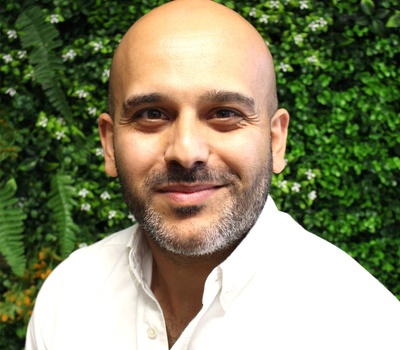
By Will Bellinger, Principal Consultant, Private Equity Transformation, Stanton House
When businesses embark on major transformation programmes, attention often turns to the technology, processes and systems that need to change. But some of the biggest challenges have very little to do with the solutions being implemented.
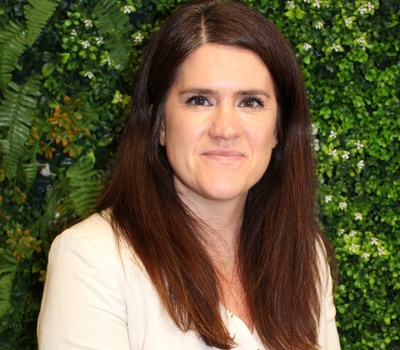
A few months ago, I sat down with Amira Modi, an executive leader whose career spans Fortune 500, FTSE 100 and Private Equity-backed businesses, to discuss what it really takes to deliver successful transformation.
In my previous article on AI, execution and value creation, I explored why technology alone won't deliver the outcomes Private Equity investors are looking for. But another theme from my conversation with Amira deserves closer attention: the role of leadership in helping people navigate change.
It's something I see reflected in conversations with transformation leaders and Private Equity-backed businesses. Even with a clear strategy and a well-defined programme, progress can quickly stall if employees don't understand what's changing, why it matters or what it means for them.
And in PE-backed environments, where businesses are often integrating acquisitions, implementing new systems and driving operational improvements against ambitious value creation plans, getting the people side of transformation right is particularly important.
When Employees Lose Sight of the 'Why'
One example Amira shared during our conversation involved the acquisition of a smaller business by a much larger organisation. Almost overnight, employees found themselves part of a different business, with new structures, priorities and expectations.
What struck me was that the biggest immediate challenge wasn't integrating systems or processes. It was the uncertainty employees felt about their place in the organisation.
People who had previously understood the business, its culture and their role within it suddenly had questions about what the acquisition meant for their future. Without clear answers, confusion and disengagement began to emerge.
It's an important reminder that what looks like a logical commercial decision at board level can feel very different to the people experiencing it.
This is particularly relevant in Private Equity, where acquisitions and organisational change are often central to the value creation plan.
Leadership teams may be focused on integration milestones, operational efficiencies and synergy targets. Employees, meanwhile, may be wondering whether their role will change, who they'll report to or whether the culture they valued will survive.
Both perspectives matter.
If employees don't understand the rationale behind a transformation or feel disconnected from its objectives, even a well-planned programme can struggle to gain traction.
Communication Is About Listening, Not Just Telling
One of the most practical insights Amira shared was how she approached communication during periods of organisational change. Rather than relying solely on formal announcements, presentations or town halls, she introduced listening sessions that gave employees an opportunity to ask questions and share concerns directly with leadership.
The format was deliberately simple. Following a short update, most of the session was dedicated to hearing from employees.
What were they worried about? What wasn't clear? What were they hearing from colleagues? And what might be preventing people from embracing the changes?
I thought this was particularly interesting because organisations often measure communication by what they've delivered: the announcement has gone out, the presentation has been shared and managers have been briefed.
But communicating a message doesn't necessarily mean people have understood or accepted it.
Amira's approach recognised that leaders need to understand how change is being experienced across the organisation, not just how it is being communicated from the top. It also requires a willingness to acknowledge uncertainty.
During complex transformations, leaders won't always have every answer. Being open about what is known, what is still being worked through and when people can expect further information can help build trust.
For PE-backed businesses managing multiple workstreams and demanding timelines, this kind of two-way communication can be easy to overlook. Yet it can make a significant difference to how quickly teams adapt and whether changes are sustained.
The Overlooked Role of Middle Management
Another point from our conversation that resonated with me was the role of middle management in delivering transformation.
Senior leadership teams are usually closely involved in developing the strategy. They understand the commercial rationale, the intended outcomes and the pressures driving change.
But that understanding doesn't automatically translate throughout the organisation.
Middle managers are often the people responsible for making transformation work in practice. They're expected to explain decisions, address concerns, maintain performance and help their teams adapt, frequently while managing their existing responsibilities.
They're also the first to encounter resistance or identify where a proposed change isn't working as intended.
Yet organisations don't always invest enough time in preparing these managers for that responsibility.
In my conversations with transformation leaders, the ability to influence people across different levels of a business is consistently important. It's not enough to have someone who can develop a roadmap and report progress to the board. They also need to engage the managers and teams responsible for delivering it.
This is particularly relevant when hiring transformation leaders into PE-backed businesses.
The strongest candidates aren't necessarily those who have overseen the largest programmes. They're often the people who can demonstrate how they've built relationships, challenged established ways of working and helped others take ownership of change.
For businesses assessing transformation capability, I think that deserves as much attention as technical expertise or programme delivery experience.
Building the Capability to Keep Changing
Amira also introduced a concept that I found particularly useful: building what she described as “transformation muscle” across an organisation.
The idea is that transformation shouldn't be treated as something a business does occasionally, led by a specialist team before everyone returns to business as usual. For many organisations, particularly those operating in Private Equity, change is continuous.
An acquisition may be followed by systems integration, a new operating model, commercial expansion or preparations for exit. Often, several of these initiatives are happening at once.
Rather than approaching every programme as an entirely new challenge, businesses need to develop leaders who become more confident and capable at managing change over time.
That means giving managers opportunities to lead initiatives, involving employees in developing solutions and building the skills needed to respond when priorities shift.
It also raises an important question about how organisations structure their transformation capability.
Specialist transformation leaders will continue to play a valuable role, particularly when businesses need to accelerate delivery or introduce expertise they don't currently have.
But lasting improvement depends on more than the individual brought in to lead a programme.
The organisation also needs to become better equipped to manage change after that person has moved on.
For Private Equity investors and portfolio leadership teams, this is an important distinction. A successful transformation appointment shouldn't simply deliver the immediate programme. Where appropriate, it should also leave the business with stronger internal capability to support the next stage of its value creation journey.
What Should Leaders Be Asking?
For businesses embarking on a transformation programme, I think there are three questions worth considering alongside the usual discussions about strategy, technology and delivery milestones.
Do our people understand why we're changing?
Not just what the programme involves, but why it's happening and what it means for their role and the wider business.
Are our managers equipped to lead the change?
Have they been involved early enough, given the right support and empowered to address concerns and influence how changes are implemented?
Are we building capability that will last beyond the programme?
Will the organisation be better equipped to manage future change, or will it remain dependent on bringing in external expertise every time a new challenge emerges?
These questions won't remove the complexity of transformation, but they can help leadership teams identify risks that might otherwise be overlooked.
Final Thoughts
One of my biggest takeaways from speaking with Amira was that successful transformation requires more than a clear strategy and effective programme management. It depends on whether leaders can create understanding, build trust and give people the confidence and capability to work differently.
For Private Equity-backed businesses, where the pace of change is often relentless, those leadership capabilities can be just as important as the systems and processes being introduced.
And when it comes to appointing transformation leaders, the ability to bring people with them should be a fundamental part of assessing whether someone is right for the challenge.
Watch the full conversation: To hear more of Amira's insights on transformation, leadership and navigating organisational change, watch our full Portfolio Perspectives interview with Amira Modi.
Let's talk: If you're reviewing your transformation leadership capability, building a team to deliver your value creation plan or considering where specialist expertise could make the biggest difference, please get in touch. I'd be happy to share what I'm seeing across the Private Equity Transformation market and discuss the capabilities your business needs to deliver lasting change.